Autodesk Revit MEP Training Course
- 16-Hours (8 x 2-Hour Sessions) Training
- Delivered remotely over MS Teams
- Sessions are recorded and download links are provided after each session for your future use and reference.
- Pricing is based on 1-3 people. Additional people are at an additional cost of $1,100 per person.
- Volume Discounts apply for 5+ people.
- Training is usually broken up into 2 or 4-hour sessions in the morning and flexible (i.e. consecutive or Monday, Wednesday, Friday, etc.)
- Training sessions can start within 14 days of booking
- Courses are private and topics can be customised to suit
- Includes Certificate of Completion
- Training manuals are an additional $145 Ex. GST per digital manual
Download PDF Brochure
Autodesk Revit MEP Training Course Introduction
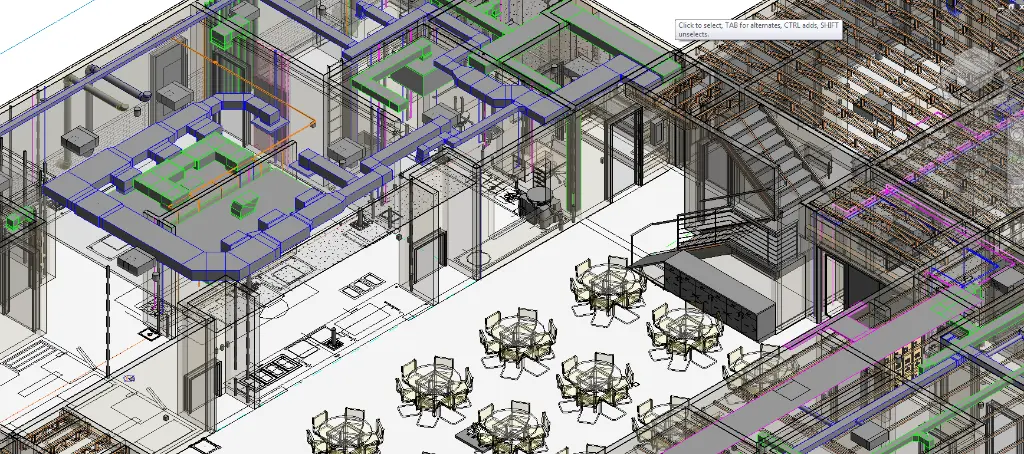
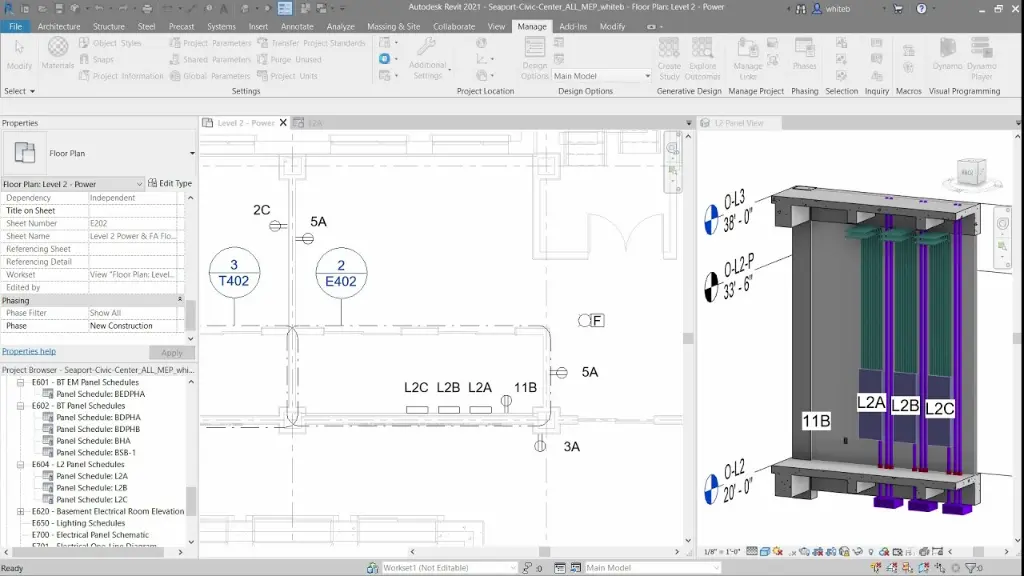
The Autodesk Revit MEP Training Course provides practical instructor led training for engineers, designers, and BIM professionals working in mechanical, electrical, and plumbing disciplines. Delivered through live remote sessions, this Revit MEP Course teaches participants how to create intelligent building systems, coordinate services, and produce accurate construction documentation using Autodesk Revit.
Participants will learn industry standard BIM workflows for HVAC, electrical, and plumbing design while gaining practical experience with system creation, equipment placement, schedules, annotations, and project coordination. This Revit MEP Remote Training course helps improve collaboration, reduce clashes, and streamline building services design workflows across architecture, structure, and MEP disciplines.
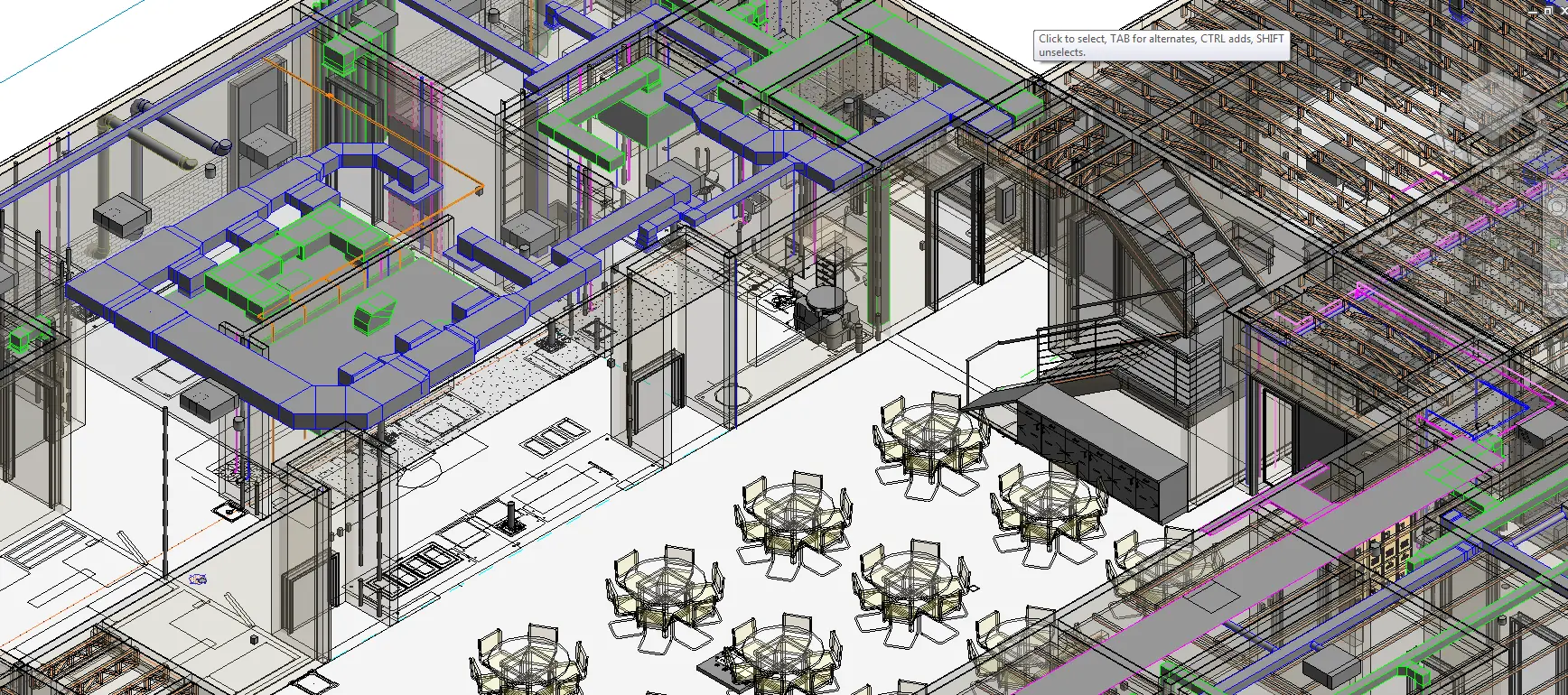
Autodesk Revit MEP Course
Develop practical BIM skills with Autodesk Revit MEP workflows focused on mechanical, electrical, and plumbing systems design, coordination, and professional project documentation.
What You'll Learn in the Autodesk Revit MEP Online Training Course
This Revit MEP Remote Course will teach you:
- Navigating the Autodesk Revit MEP interface
- Creating and managing MEP projects
- Working with linked architectural and structural models
- Creating HVAC systems and ductwork layouts
- Designing piping and plumbing systems
- Creating electrical systems and circuits
- Working with mechanical equipment and fixtures
- Managing spaces and zones
- Creating schedules and annotations
- Coordinating MEP systems with BIM workflows
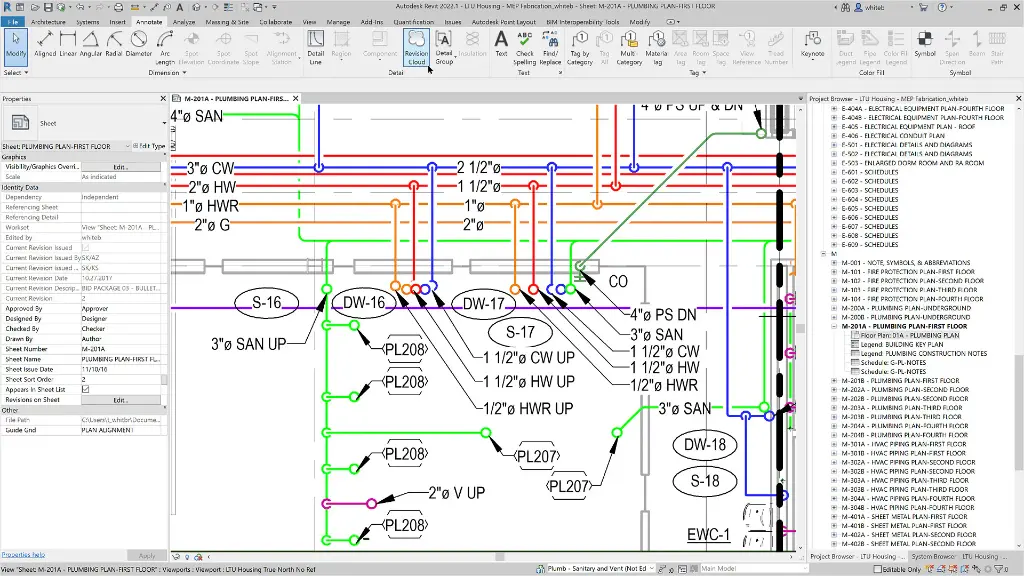
- Producing construction documentation
- Working with views, sheets, and templates
- Managing families and content libraries
- Improving project collaboration and coordination
Autodesk Revit MEP Remote Training Outline
Design Consulting delivers one of the best online Revit MEP Training Courses, with an emphasis on:
- Working with the Autodesk Revit software’s basic viewing, drawing, and editing commands.
- Inserting and connecting MEP components and using the System Browser.
- Working with linked Revit files and CAD files.
- Creating spaces and zones so that you can analyse heating and cooling loads.
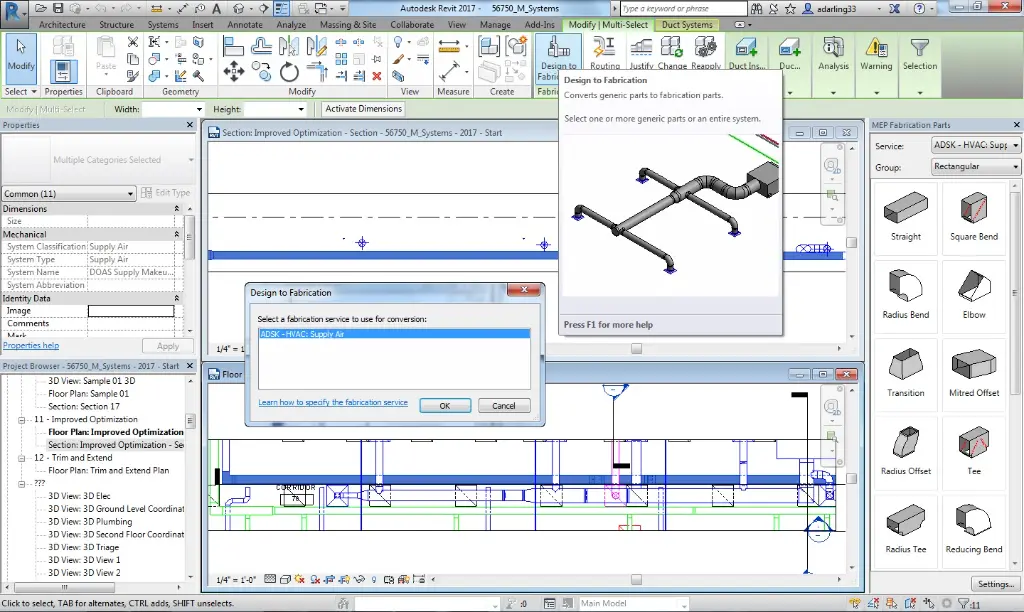
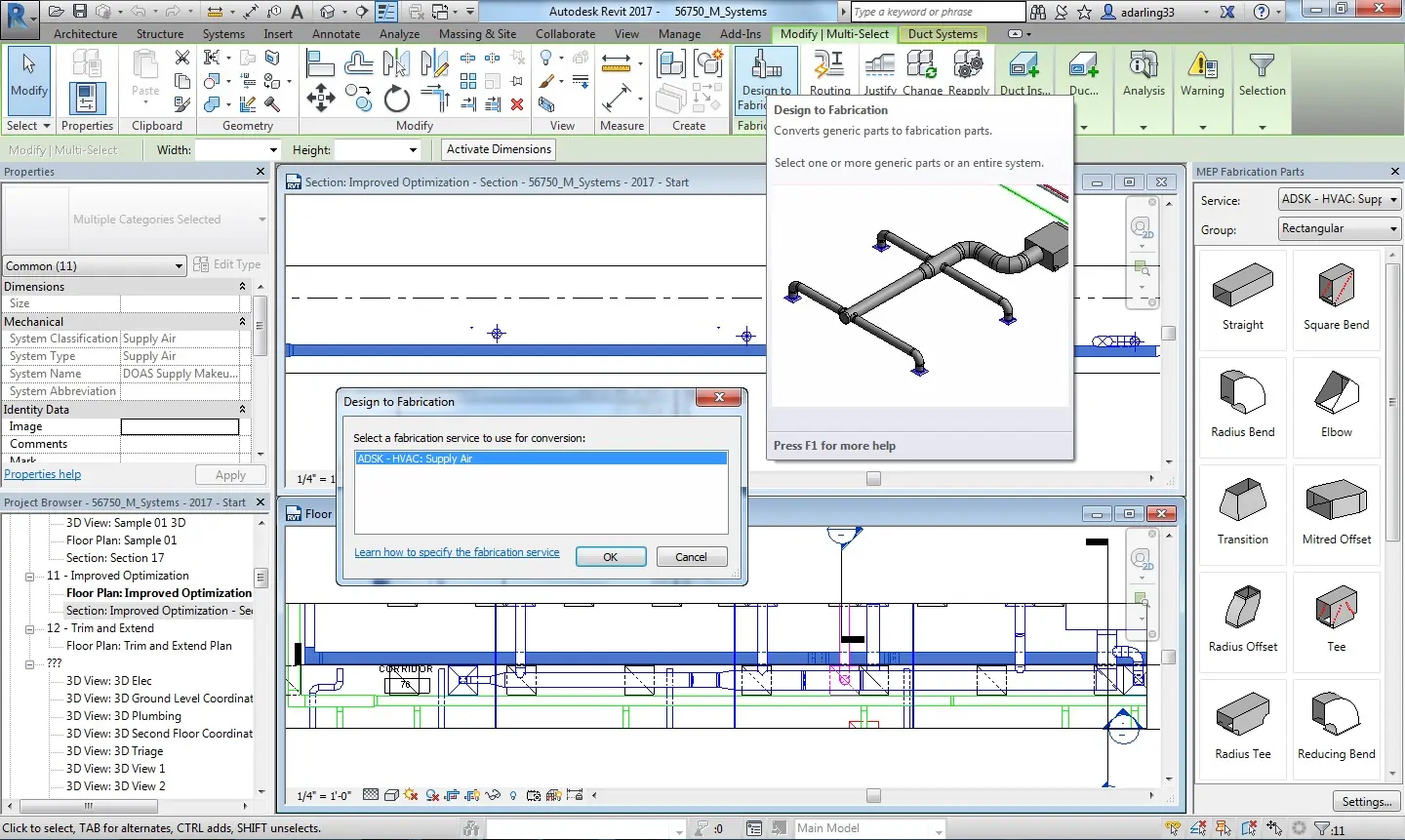
- Creating HVAC networks with air terminals, mechanical equipment, ducts, and pipes.
- Creating plumbing networks with plumbing fixtures and pipes.
- Creating electrical circuits with electrical equipment, devices, and lighting fixtures, and adding cable trays and conduits.
- Creating HVAC and plumbing systems with automatic duct and piping layouts.
- Testing duct, piping, and electrical systems.
- Creating and annotating construction documents.
- Adding tags and creating schedules.
- Detailing in the Autodesk Revit software.
Autodesk Revit MEP Fundamentals Course Topics
After completing the Revit MEP Online Course with Certificate of Completion, you'll be taught the following chapters:
Chapter 1: Introduction to BIM and Autodesk Revit
1.1 BIM and Autodesk Revit
1.2 Overview of the Interface
1.3 Starting Projects
1.4 Viewing Commands
Chapter 2: Basic Sketching and Modify Tools
2.1 Using General Sketching Tools
2.2 Inserting Components
2.3 Selecting and Editing Elements
2.4 Working with Basic Modify Tools
2.5 Working with Additional Modify Tools
Chapter 3: Starting Systems Projects
3.1 Linking and Importing CAD Files
3.2 Linking in Revit Models
3.3 Setting Up Levels
3.4 Copying and Monitoring Elements
3.5 Coordinating Linked Models
3.6 Batch Copying Fixtures
Chapter 4: Working with Views
4.1 Modifying the View Display
4.2 Duplicating Views
4.3 Adding Callout Views
4.4 Creating Elevations and Sections
Chapter 5: Setting Up Spaces
5.1 Preparing a Model for Spaces
5.2 Adding Spaces
5.3 Working with Spaces
Chapter 6: Heating and Cooling Loads Analysis
6.1 Creating Zones
6.2 Applying Colour Schemes
6.3 Analysing the Heating and Cooling Loads
Chapter 7: Basic Systems Tools
7.1 Connecting Components
7.2 Creating Systems - Overview
Chapter 8: HVAC Networks
8.1 Adding Mechanical Equipment and Air Terminals
8.2 Adding Ducts and Pipes
8.3 Modifying Ducts and Pipes
Chapter 9: Plumbing Networks
9.1 Adding Plumbing Fixtures and Equipment
9.2 Adding Plumbing Pipes
9.3 Modifying Plumbing Pipes
9.4 Adding Fire Protection Networks
Chapter 10: Advanced Systems for HVAC and Plumbing
10.1 Creating and Modifying Systems
10.2 Creating Automatic Layouts
10.3 Testing Systems
Chapter 11: Electrical Systems
11.1 About Electrical Systems
11.2 Placing Electrical Components
11.3 Creating Electrical Circuits
11.4 Setting Up Panel Schedules
11.5 Adding Cable Trays and Conduit
11.6 Testing Electrical Layouts
Chapter 12: Creating Construction Documents
12.1 Setting Up Sheets
12.2 Placing and Modifying Views on Sheets
12.3 Printing Sheets
Chapter 13: Annotating Construction Documents
13.1 Working with Dimensions
13.2 Working with Text
13.3 Adding Detail Lines and Symbols
13.4 Creating Legends
Chapter 14: Adding Tags and Schedules
14.1 Adding Tags
14.2 Working with Schedules
Chapter 15: Creating Details
15.1 Setting Up Detail Views
15.2 Adding Detail Components
15.3 Annotating Details
Appendix A: Introduction to Worksets
A.1 Introduction to Worksets
Appendix B: Additional Tools
B.1 Building Type Settings
B.2 Defining Colour Schemes
B.3 Custom Duct and Piping Types
B.4 Work with System Graphics
B.5 Pressure Loss Reports
B.6 Guide Grids and Sheets
B.7 Revision Tracking
B.8 Annotating Dependent Views
B.9 Importing and Exporting Schedules
B.10 Creating Building Component Schedules
B.11 Keynoting and Keynote Legends
Appendix C: Autodesk Revit Certified Professional Exam for Mechanical Building Systems
Appendix D: Autodesk Revit Certified Professional Exam for Electrical Building Systems
Who Should Attend the Autodesk Revit MEP Training Course?
This Revit MEP Course is suitable for:
- Mechanical engineers
- Electrical engineers
- Hydraulic and plumbing designers
- BIM coordinators
- Building services consultants
- Revit users transitioning into MEP workflows
The course is designed for professionals wanting practical BIM and MEP system design skills using Autodesk Revit.
Autodesk Revit MEP Training Course Prerequisites
Participants should have basic computer skills and general understanding of building services or BIM workflows. Previous Revit experience is beneficial but not essential for attending this Revit MEP Remote Training course.
Why Choose Design Consulting | Autodesk Gold Partner | Autodesk Service Provider
Design Consulting is a trusted Autodesk Gold Partner and Autodesk Service Provider. Design Consulting empowers architects, engineers, manufacturers, and builders with smart software, automation, and digital tools that provide Autodesk end-to-end solutions that are connected with systems and machines. As an Autodesk Gold Partner, we deliver tailored solutions that simplify workflows, reduce costs, and drive better project outcomes.
Enrol Now in the Autodesk Revit MEP Training Course
Start your journey in BIM and digital MEP design. Contact Design Consulting today to book or learn more about our online and face to face training options.
Ready to Design with Precision and Speed?
Transform the way you create, visualise, simulate, and deliver designs, reports and drawings. Contact us today to explore training, services and subscription options or request a demo.
Fill out the contact form below or contact us on 1800 514 490, info@designconsulting.com.au or by live chat